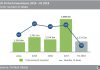
A survey conducted by PwC in November 2023 asked 3,798 retail crypto investors about their behaviours and needs of retail crypto and digital asset technologies. Countries covered in the survey were from Austria, Germany, Poland, Saudi Arabia, Switzerland, Turkey and The United Arab Emirates. The average age of participants was 34.5 years.
Retail investors place a significant weight on the options trading platforms offer. More than half of retail investors would consider changing providers if their current trading platform lacked no appropriate digital asset options. However, there’s a lack of diversification in their investments, as 70% of retail investors have five or fewer different tokens in their wallet. Bitcoin remains the dominant digital asset, present in three out of four wallets, while Ethereum has seen a decline in relevance compared to previous surveys.
Retail investors hold a significant portion of their wealth in digital assets, averaging between 5% to 10%. The majority of these investors, around 80%, plan to increase their investments in digital assets over the coming years, with nearly 40% of them aiming for growth of 50% or more.
Major cryptocurrency platforms like Binance, Coinbase, and Crypto.com are popular among retail investors globally due to their digital asset-centric offerings and international recognition. However, neo-brokers and banks have gained popularity as trading platforms in Central Europe, particularly in Germany and Poland. Retail investors expect their banks or brokers to offer dedicated crypto trading and custody features. Without such offerings, more than half of retail investors would consider switching to alternative banking or brokerage providers.
Recent regulatory developments have influenced retail investors’ perceptions. More than half of them view the growing regulatory regime positively, seeing it as necessary for the market’s future growth. However, there’s still apprehension about the extent of regulations and whether they might lead to a prohibition of cryptocurrencies in the future. These uncertainties reflect the cautious outlook of retail investors despite their commitment to the digital asset class.