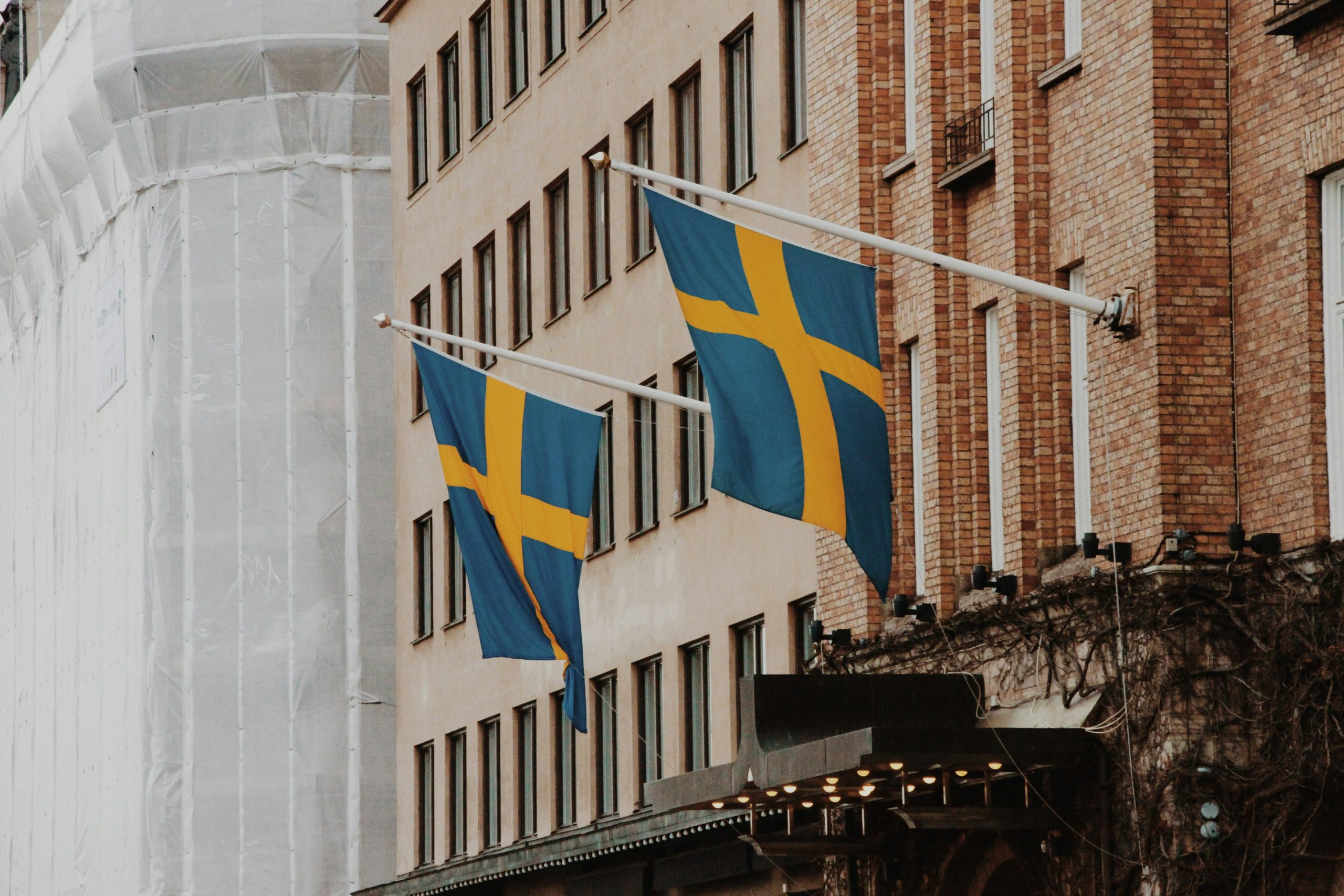
Sweden’s central bank, Sveriges Riksbank, has issued new recommendations urging the public to strengthen their preparedness for potential disruptions to the country’s payments infrastructure.
The guidance highlights the importance of maintaining multiple payment options, including cash, cards and mobile services, to ensure individuals can continue making essential purchases during crises, system outages or even wartime scenarios.
According to the Sveriges Riksbank, the public plays a critical role in the resilience of Sweden’s financial system and broader national defence framework. By diversifying how they access and use payment methods, households can reduce the risk of being unable to pay for essential goods and services if digital infrastructure or card networks temporarily fail.
One of the central recommendations is that households maintain a small reserve of physical cash. The central bank suggests that each adult should keep around SEK 1,000 in cash at home. This amount is intended as a benchmark and is considered sufficient to cover approximately one week of essential purchases if digital payment channels become unavailable.
However, the bank emphasised that the suggested amount should not be seen as a rigid rule. Individual households may need more or less depending on their circumstances, such as the number of people in the household or specific financial needs. To improve usability during outages, households are also advised to keep cash in a variety of denominations. The Riksbank further encourages the public to continue using cash occasionally in everyday transactions to help maintain the underlying cash infrastructure.
In addition to holding cash, the central bank is encouraging households to diversify their card payment options. Specifically, individuals are advised to maintain access to at least two cards from different card networks, such as Visa and Mastercard. By relying on multiple networks, consumers increase the likelihood that at least one payment method will remain operational if disruptions affect another network.
Mobile payment solutions are also highlighted as an important backup payment channel. Services such as Swish operate on infrastructure that differs from traditional card networks, meaning they may remain available if card payments fail. Ensuring access to such platforms can therefore provide an additional layer of resilience in emergency situations.
The central bank’s guidance also addresses the growing reliance on digital wallets integrated into smartphones. Consumers who typically rely on services like Apple Pay or Google Pay are advised to keep their physical cards accessible. If a phone battery runs out or a device malfunctions, having the physical card available ensures payments can still be made.
Physical cards also offer an additional contingency advantage, as their chips can enable offline payments during certain types of network interruptions. This capability can be critical in situations where connectivity is temporarily unavailable.
The recommendations form part of Sweden’s broader strategy to strengthen financial resilience and ensure the payments ecosystem remains functional during emergencies. As digital payments continue to dominate everyday transactions, the Riksbank’s message underscores the importance of maintaining diverse payment channels to support national preparedness.
Find more on RegTech Analyst.
Keep up with all the latest FinTech news here
Copyright © 2026 FinTech Global