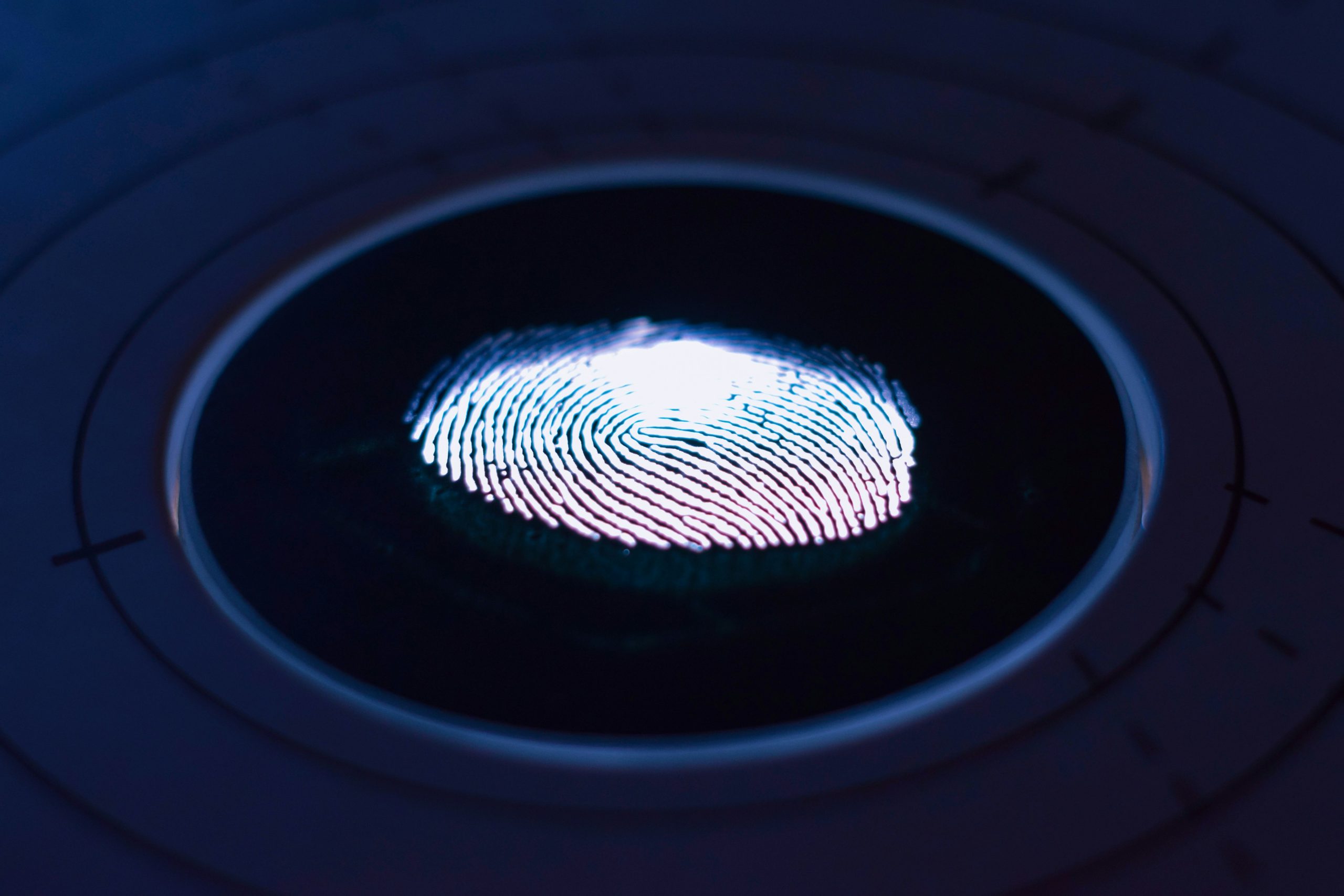
Prove has named Frances Zelazny as general manager of new market innovations, with a mandate to build out privacy-preserving biometric and KYC compliance capabilities.
Zelazny, who will present the new solutions at Prove’s annual Improve 2026 summit in Charlotte, North Carolina, brings extensive experience at the intersection of biometrics and enterprise identity. She previously co-founded and led Anonybit, where she developed decentralised biometric infrastructure that distributed biometric data across multiple environments to remove the centralised data stores that make traditional biometric systems vulnerable.
Before that, she served as chief strategy and marketing officer at behavioural biometrics pioneer BioCatch, and held senior positions at L-1 Identity Solutions — now Idemia — and Signals Analytics, now known as Skai. She has also collaborated with government agencies and multilateral bodies on biometric policy, and has featured on the Women in FinTech Power List 100, was listed among the 25 most influential women leaders in biometric digital identity in 2025, and received the SIA Women in Security Forum Power 100 distinction.
The hire marks an evolution in Prove’s platform strategy. The company has spent more than a decade building a global identity graph that spans 10 billion devices and 2.5 billion verified identities, covering an estimated 90% of the world’s digitally active adults. Prove argues that AI has fundamentally shifted the threat environment, lowering the cost and complexity of fraud tactics including synthetic identities, deepfakes and account takeovers. Adding biometric authentication — what Prove describes as an inherent factor — to its existing possession-based signals is positioned as a response to that shift.
Prove’s biometric offering is designed to sit natively within existing Prove flows rather than operating as a standalone tool. Liveness detection, document verification, device intelligence and behavioural trust signals are built directly into the identity infrastructure. The architecture is described as privacy-first and is intended to advance regulatory compliance while also being designed to withstand emerging risks such as quantum computing attacks and the demands of agentic commerce.
Prove founder and CEO Rodger Desai said, “Frances is one of the most respected minds at the intersection of biometrics, privacy, and enterprise identity strategy. As AI cheapens fakery and quantum threatens cryptography, the one thing neither can forge is a decade of authenticated human behavior. That’s the foundation Frances’s biometrics will extend, creating an architecture that leaves attackers nothing to steal. We couldn’t be more excited to have her on board.”
Zelazny said, “What drew me to Prove is what no competitor can replicate: more than a decade of carrier-grade relationships and behavioral data built at scale across financial services, digital marketplaces, crypto, gaming, and other industries. Biometrics without that foundation is just another point solution.
“Built with privacy as a design principle from day one, the combination of the possession factor and the inherent factor becomes the gold standard that is sorely needed in today’s threat environment. Identity assurance that is built on this kind of strong foundation becomes continuous, binding, and compounds in value across every institution that trusts it. That is the shared vision that I came to work on with Rodger and the Prove team.”
Stay ahead of the forces reshaping financial services — from identity infrastructure to regulatory shifts — with FinTech Global’s newsletter. Trusted by executives and decision-makers who need more than headlines.
Copyright © 2026 FinTech Global