

Tag: AI Regulation

Five lessons from Norm AI’s forum on the agentic economy
A year is a long time in artificial intelligence, according to Norm Ai, which hosted its annual Central Park AI Forum on 24 September...

Global AI regulation splits: what compliance teams face
Artificial intelligence is advancing at a pace that regulators are struggling to match, leaving businesses that build, deploy and use AI to navigate an...
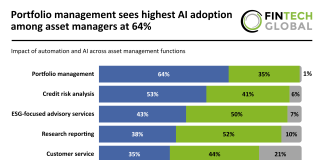
Portfolio management sees highest AI adoption among asset managers at 64%
Key views on Impact of automation and AI across asset management functions: Acuity Analytics surveyed around 80 senior asset management representatives across the Americas,...

Brussels delays high-risk AI rules, not the rulebook itself
Brussels has bought companies more time on its toughest AI rules, but firms hoping for a reprieve from compliance work are likely to be...
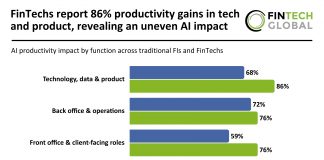
FinTechs report 86% productivity gains in tech and product, revealing an...
Key views on AI productivity impact by function across FIs and FinTechs: The Cambridge Centre for Alternative Finance surveyed 203 FinTechs and 149 traditional...

Seoul’s financial watchdog targets AI hallucinations
The Financial Security Institute has built a new evaluation system aimed at catching the hazards that come with financial firms deploying artificial intelligence, including...

Regulators unleash AI as ad complaints become obsolete
The golden rule of advertising compliance has quietly been rewritten. For decades, a misleading ad only attracted regulatory attention if a consumer was annoyed...

The hidden cost of UK EU regulatory divergence post Brexit
The regulatory rulebooks of the UK and the EU, once built on an identical foundation of European financial services law, are steadily pulling apart,...

AI money managers loom for 10 million UK adults
More than 10 million UK adults could soon see their finances managed by an AI agent, according to a landmark review published this week...

Why AI compliance failures could cost firms dearly
Artificial intelligence is transforming how organisations operate, make decisions and interact with customers.
According to Theta Lake, yet the productivity gains come tethered to serious...
© Copyright 2026 FinTech Global. All Right Reserved
