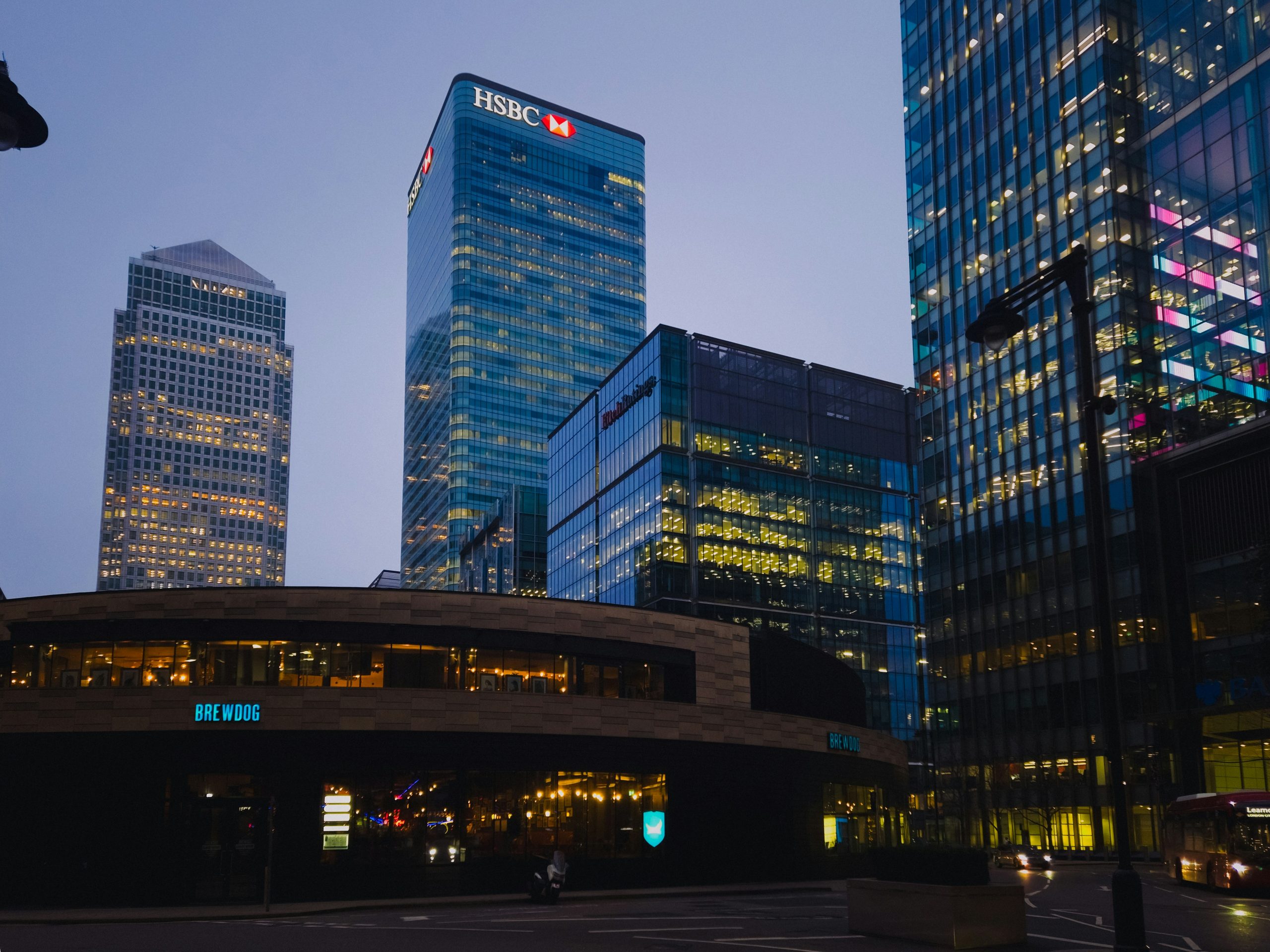
HSBC Bank Australia Limited (HSBC), the Australian arm of one of the world’s largest banking groups, is facing a $35m penalty after admitting to widespread and systemic failures in shielding customers from scams.
Australia’s corporate regulator, the Australian Securities and Investments Commission (ASIC), and HSBC have jointly approached the Federal Court to have the bank found in breach of the law and penalised accordingly. The proposed $35m penalty remains subject to court approval, with the presiding judge retaining authority to determine whether the proposed orders are appropriate or whether additional orders should be made.
HSBC has acknowledged a series of serious shortcomings spanning several years. Between January 2020 and August 2024, the bank received in excess of 1,000 reports of unauthorised transactions, with those transactions totalling $34.6m in value. The bank has admitted that between May 2023 and May 2024 it lacked sufficient controls over its internal transfer system, heightening the risk of unauthorised payments being made. HSBC was also aware from as early as May 2021 of a growing threat from impersonation scams, in which fraudsters posed as HSBC representatives. Reports of unauthorised transactions subsequently surged by around 380% during 2023 and 2024, with impersonation fraud a key driver. The bank has further admitted to breaching its financial services licence obligations through significant delays in handling complaints, with cases taking an average of 144 days to resolve, and to having insufficient processes to assist customers seeking to regain access to accounts that had been locked following a scam report.
Following ASIC’s investigation, HSBC launched a remediation programme to assess and compensate affected customers. Approximately $21.5m in compensation has been paid to date, with further payments still to come. The bank has also recovered $6.5m and returned those funds to customers.
Among those affected by HSBC’s failures were a 51-year-old dental technician from New South Wales who lost $47,000, which represented nearly all of her savings; a 25-year-old part-time architectural assistant, also from New South Wales, who lost $50,000, his entire life savings; a Victorian couple in their 50s who lost $48,000 transferred out of their home loan; and a 41-year-old Victorian father who lost $50,000. Several customers reported having to borrow money from other sources, take on additional work shifts, or worry about meeting home loan repayments. Others described experiencing distress, guilt and panic, as well as being unable to access their own accounts.
ASIC chair Sarah Court said, “this is one of the first cases of its kind globally and sends a clear message that protecting customers from scams is a core responsibility of banks.”
“HSBC’s alleged failures left customers more vulnerable to scams, tens of millions of dollars out of pocket and waiting months to find out what had happened to their money,” the chair said.
“Individual customers lost tens of thousands of dollars which, for some, were their life savings, causing them real stress and uncertainty,” the chair said.
“Customers were left waiting months for answers, and delays in investigating and resolving their reports made the harm worse.”
“ASIC has taken this action to hold HSBC to account, and we’re pleased affected customers are now being compensated,” the chair said.
ASIC maintains an ongoing enforcement priority targeting systemic compliance failures at large financial institutions that result in widespread harm to consumers.
Copyright © 2026 FinTech Global